Gambling Doesn't Clock Out: How Gambling Addiction Shows Up at Work
Betting in every free minute at work, hiding your phone, chasing losses before lunch? A founder in recovery on how gambling shows up at work and practical steps that help.
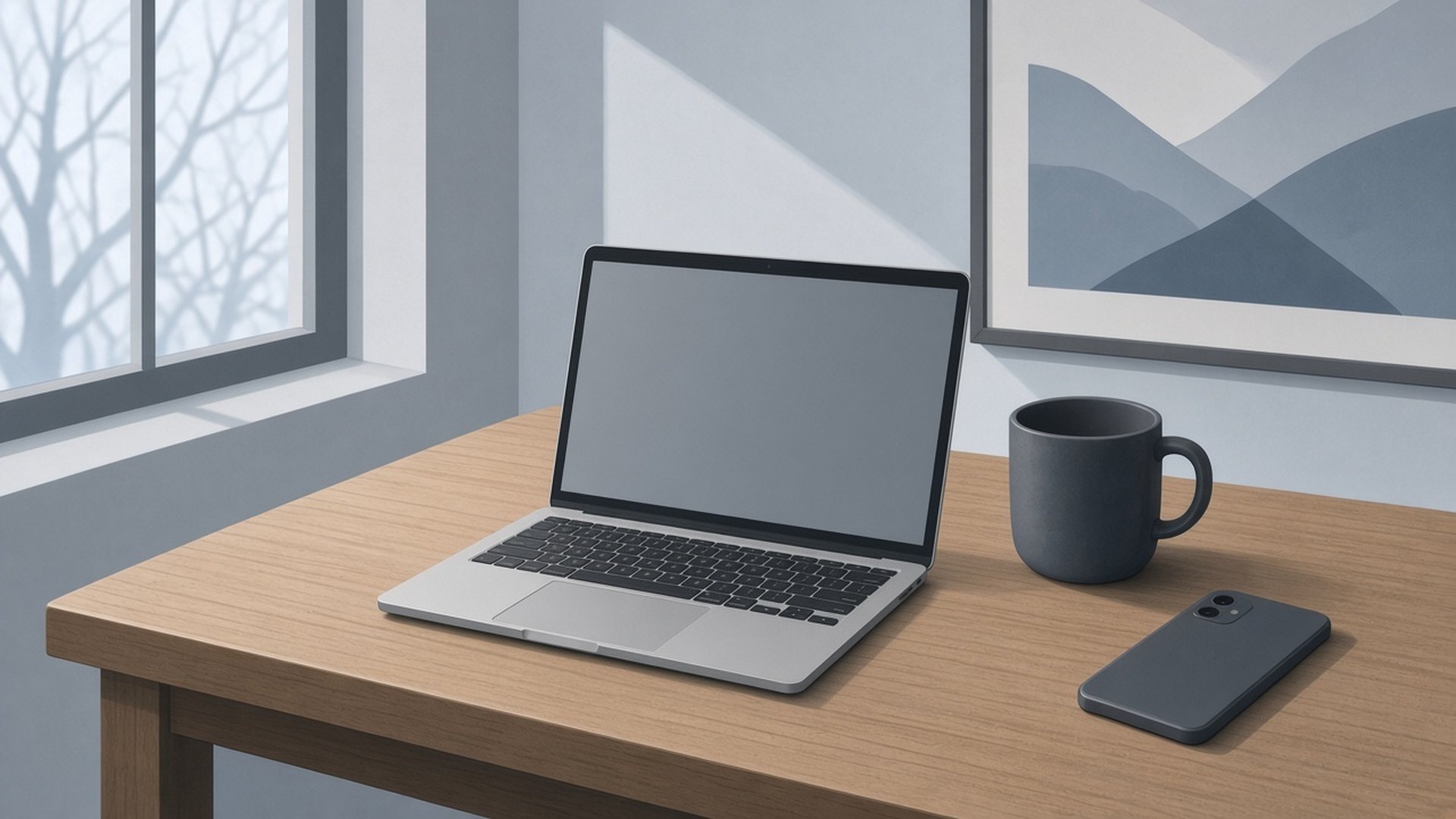
You're at your desk. Your laptop is open and your phone is face down next to the keyboard. The moment a quiet stretch opens up, you check the scores, look at tonight's games, maybe place a quick bet. Nobody notices. Your body is at work, but your head is somewhere else.
If that sounds familiar, this article is for you. I'm the founder of NoMoreBets and I'm in recovery from gambling addiction. For years I gambled at work: in the office, at home on remote days, whenever I had a free minute. This isn't a lecture. It's what that looked like, why work made it so easy and what has actually helped me.
This is general information from lived experience, not medical advice. It is no substitute for professional support.
US: National Problem Gambling Helpline, 1-800-MY-RESET (1-800-697-3738), free and confidential.
Germany: BIÖG gambling helpline, 0800 1 37 27 00, free and anonymous.
In a crisis or thinking about suicide: call or text 988 (US) or call 911. In Germany call 112 or the TelefonSeelsorge at 0800 111 0 111. Elsewhere contact your local helpline or emergency services.
What it looked like for me
I worked on a laptop, partly in an office and partly from home. But I never gambled on the work computer. It was always my own phone.
A typical day: I'd open live-score apps and scan which teams I could put on a bet slip that day. When work was really busy, I didn't have time to gamble. But as soon as there was a free gap, I placed bets, every single time. When I was bored or had some downtime, I gambled at work exactly the way I gambled at home. Sometimes I went and sat alone in a room somewhere just to play in secret.
Looking back, I gambled in secret the whole time, whenever I had the chance. I was deeply addicted.
There was no fixed pattern. No "only at lunch" rule. Every free minute went to gambling, except when I was actually doing something with coworkers. Being with people was the one thing that interrupted it.
And I was careful. I made sure nobody could see my screen. When the risk of getting caught felt too high, I switched the phone off and went right back to it later.
The cycle I was stuck in
I gambled to feed the addiction, out of boredom and for the thrill. At work, gambling even started to feel like motivation, but it wasn't. When I won, I felt extremely motivated. When I lost, my motivation drained away. My mood and my energy depended on the last bet. At the same time, I knew I had to work hard to have money to bet again.
1. Work 2. Money 3. A bet 4. A win or a loss 5. Back to work, to get money for the next bet
It looked like I was working hard for my future. In reality, I was working for the next bet. And whatever happened, win or loss, the cycle started over.
The win that made it worse
My biggest win ever, about 20,000 euros, happened at the office. Four or five coworkers were in the room with me, talking and working, with no idea what had just happened on my phone. Inside, I was overwhelmed. I didn't know what to do with my emotions. In the moment it felt like an insane dopamine rush and I had to hide it.
And I couldn't share it with anyone. Nobody in that room knew I gambled and I couldn't tell them. I sat there feeling euphoric and completely alone at the same time.
That win didn't end anything. It didn't solve a single problem. If anything, it made the addiction stronger: it became the moment I kept chasing and it made stopping harder, not easier. If you've had a big win, I want you to hear this clearly: it isn't proof you can beat the game. For me it was a warning sign I didn't see at the time.
I share this not because my story is special, but because it isn't. We're all human and we can fall into very similar patterns.
Why work can be such an easy place to gamble
A betting app on your phone goes everywhere you go, including into the office and into every gap between calls. A few things make the workday a high-risk window:
- Constant small gaps: the minutes before a meeting starts, waiting on a reply, a slow afternoon.
- Boredom and stress: both can make the urge louder. A Canadian study of people who gamble at work found motivations such as excitement, social connection, avoidance and coping with stress or emotions.
- Live sports during work hours: scores and odds update all day, so there's always something to check.
- Privacy: a phone screen is easy to hide, especially when working from home.
- The chase: after a loss, the thought "I'll get even before lunch" can take over the rest of the day.
That same study (Hudson Breen, O'Brien & Sanders, Critical Gambling Studies, 2024) reported that people who gamble at work had lower job satisfaction and higher rates of problem gambling than those who don't. That doesn't mean your job caused your gambling, but it's a reminder that how we feel at work and how we gamble can be connected.
The hidden cost: hiding, shame and lost focus
Gambling at work rarely feels like a big decision. It feels like a quick look at the scores in a free moment. But it adds up: one more bet, back to work with your head somewhere else and the next free gap already spoken for.
Pennsylvania's Responsible Play program describes classic signs of a gambling problem at work: preoccupation with gambling, trouble concentrating, tardiness and absenteeism, missed deadlines and declining performance. It also notes that preoccupation with gambling leads to lost time and productivity.
Then there's the part no one sees: the constant effort of hiding it, the fear of someone glancing at your phone and the shame afterward. For me, shame pushed me further into secrecy and secrecy kept the cycle going. Naming it, even just to yourself, is a real first step.
What actually helps during the workday
There's no single trick. What helps is a few small, concrete layers that make the next bet harder and the next good choice easier.
1. Plan your gaps. Your highest-risk moments are the free minutes. Decide in advance what you'll do instead: a short walk, water, a message to someone, a task you can finish in five minutes. 2. Put distance between you and the apps. Delete betting and casino apps, log out of accounts and consider leaving your phone in a bag or another room during focused work. 3. Limit access to money. Remove saved cards from your phone and make it harder to deposit on impulse. A trusted person can help you set this up. 4. Don't stay alone with the urge. For me, being around coworkers was the one time I didn't gamble. If you work remotely, a call or a message to someone can do the same. 5. Make the evening check-in your goal. Treat the evening as your finish line. In the NoMoreBets app, the daily check-in happens at 8:00 PM in your own time zone: you work your way through the whole day toward it, then tap "I didn't gamble today." That moment is the reward. Pair it with a short evening reflection: when did the urge show up, what triggered it, what helped? Patterns get clearer over time.
When an urge hits in the middle of the day, our guide on what to do when an urge arrives has a few simple ways to create space between the urge and your next action.
What helped me most was making these habits visible every day. I built the NoMoreBets app around exactly what I needed. Working my way through the day toward the 8 PM check-in and then tapping "I didn't gamble today" is my reward and it helps me enormously. The evening reflection helps too and seeing exactly how much money I've saved by not gambling is a huge motivator. That's my experience, not a promise. Tools like this are support, not treatment.
Blocking is one layer, not the whole plan
Gambling blockers can add a useful barrier, especially in the moments when the urge is strong and the bet is only a few taps away.
In my own experience, though, a blocker alone wasn't enough. There were times I found my way around my own barriers. The lesson I took from it: if part of you is looking for a way around a barrier, you'll often find one. Blocking works best as one layer alongside a daily evening check-in, limits on money, honest conversations and real support.
Stopping vs. staying stopped
Stopping for a day is hard. Staying stopped is a different skill. It means planning for the risky moments you know will come back: the big game, payday, a bad meeting, a quiet afternoon at home.
If you slip, it doesn't erase the progress you've made. Try not to chase losses. Step away, reconnect with your barriers, tell someone and look at what led up to it. Gamblers Anonymous puts it plainly: sheer willpower isn't enough to overcome compulsive gambling. Asking for help is part of the process, not proof that you failed.
If you're just starting out, our post on a first day away from gambling is a good place to begin.
FAQ
Is gambling on my phone at work really a problem if the bets are small?
The size of a bet isn't the only signal. If gambling takes up your free minutes, pulls your focus from work or you're hiding it, that's worth taking seriously. NCPG offers a free self-assessment and the National Problem Gambling Helpline (1-800-MY-RESET) can help you think it through confidentially.
Who should I tell?
That's your decision and you don't have to tell everyone at once. You could start with one person you trust, or with a confidential call, text or chat to the National Problem Gambling Helpline (1-800-MY-RESET). A helpline counselor can help you think through who to tell and how.
I work from home. What changes?
Usually the privacy and the unstructured time. Plan your gaps, keep your phone out of reach during focused work and build in contact with other people during the day.
Summary and next step
Gambling doesn't stay at home. For me it followed me into the office, into every free gap in the workday and into the effort of hiding it. You don't have to fix everything today. Pick one layer: making it to tonight's check-in, deleting one app, telling one person or calling a helpline.
If you want a simple daily goal, an 8 PM check-in in your own time zone where you tap "I didn't gamble today," plus an evening reflection and a view of how much you've saved, NoMoreBets is free and was built from exactly this experience: https://nomorebetsapp.com. It's support alongside professional help, not a replacement for it.
Sources
- Help & Treatment – National Problem Gambling Helpline 1-800-MY-RESET (ncpgambling.org)
- NCPG adopts 1-800-MY-RESET as new National Problem Gambling Helpline number (ncpgambling.org)
- National Problem Gambling Helpline Chat (ncpgambling.org)
- Help by State (ncpgambling.org)
- 988 Suicide & Crisis Lifeline (988lifeline.org)
- BIÖG-Telefonberatung zur Glücksspielsucht, 0800 1 37 27 00 (bioeg.de)
- TelefonSeelsorge Deutschland, 0800 111 0 111 (telefonseelsorge.de)
- Problem Gambling in the Workplace (responsibleplay.pa.gov)
- Characteristics and Experiences of Employees who Gamble at Work: A Mixed-Methods Study (Hudson Breen, O'Brien, Sanders) (Critical Gambling Studies)
- Gamblers Anonymous (gamblersanonymous.org)
Take a small next step
NoMoreBets is a free, private place to track your gambling-free days at your own pace.
General information, not medical advice or a substitute for professional support. If gambling is affecting your life, a qualified counselor or local support service can help.